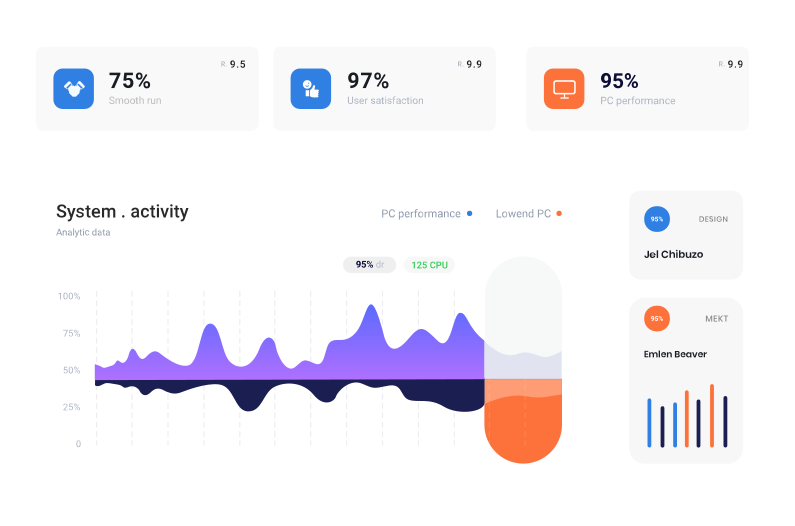
LOCATION MANAGEMENT SYSTEM (Transparency, Efficiency, Control)

Our Location Management Solution tracks inventory movement from a central warehouse to various locations, making it easy to issue items to kitchens and receive items from the central warehouse or other locations. With real-time information on stock levels, it improves efficiency and keeps inventory balanced. This solution simplifies item transfers and enhances decision-making, leading to better service and reduced waste.

Camp Management System

Key Features

Streamline Inventory and Optimize Efficiency

Reconciliation in the context of financial analysis is a crucial process for ensuring that the financial records of a business match external documents and systems, such as bank statements, vendor invoices, and vendor payments. This process helps in identifying discrepancies, preventing errors, and ensuring the accuracy of financial statements. Here's a breakdown of the key components related to vendor invoice matching, vendor payments, and month-wise reconciliation, along with the role of reports in financial analysis:

Vendor Invoice Matching

Vendor invoice matching refers to the process of comparing invoices received from suppliers with purchase orders (POs) and receipts. The goal is to ensure that the invoice is accurate and aligns with the agreed terms. Key steps in this process include:

  • Matching Invoice with Purchase Order: Ensure that the quantities, prices, and items listed in the invoice match the original purchase order.
  • Verification of Goods Receipt: Confirm that the goods or services invoiced were received as per the vendor's delivery or service terms.
  • Discrepancy Resolution: If there are any discrepancies (e.g., overcharging or items not received), the invoice may be sent back for clarification or adjustment before proceeding to payment.

Vendor Payment

Once the invoice is verified, the next step is processing vendor payments. This involves:

  • Payment Terms: Review the payment terms outlined in the contract with the vendor (e.g., net 30, net 60) to ensure payments are made on time.
  • Approval Process: Typically, invoices go through an approval process where managers or finance teams authorize payment.
  • Payment Methods: Vendors may be paid through various methods such as wire transfer, check, or online payment platforms.
  • Payment Reconciliation: Ensuring that the payments made match the invoice amounts, and the appropriate journal entries are recorded in the company’s accounting system.

Month-Wise Reconciliation

Month-wise reconciliation is the process of ensuring that all financial activities for a given month (including vendor invoice payments) align with the company’s accounting records. It typically involves:

  • Vendor Reconciliation: Comparing the vendor statement (showing outstanding invoices, payments, and credits) with the company’s payment records to ensure that all payments and invoices have been correctly recorded.
  • Bank Reconciliation: Ensuring that the company's cash or bank balance reflects all payments made to vendors and that all received payments are recorded accurately.
  • Accruals and Adjustments: If payments were made after the close of a month or if any discrepancies were found, adjustments or accruals may be necessary to ensure that the expenses are accurately reflected in the correct month.

Reports in Financial Analysis

Reports are crucial for providing insights into the reconciliation process, helping to identify trends, and aiding in decision-making. Key reports include:

  • Vendor Aging Report: This shows the outstanding amounts owed to vendors and helps in tracking overdue invoices.
  • Payment Status Report: This provides information on whether payments have been made or are still pending.
  • Invoice Discrepancy Report: Highlights discrepancies between invoices, POs, and receipts, which can then be resolved.
  • Month-End Reconciliation Report: A comprehensive report that summarizes all reconciliations done for the month, ensuring that all financial transactions align with the accounting records.
  • Cash Flow Report: Offers insights into the company’s liquidity, showing the timing of vendor payments and how they impact cash flow.


Benefits of Reconciliation

  • Improved Accuracy: Regular reconciliation ensures that financial records are accurate, preventing errors from accumulating over time.
  • Fraud Prevention: By closely monitoring payments and invoices, the likelihood of fraud or financial mismanagement is reduced.
  • Better Financial Planning: Accurate and timely financial data allows businesses to make better financial forecasts and budgeting decisions.
  • Vendor Relationship Management: Keeping track of payments and disputes fosters better relationships with vendors, ensuring smoother transactions and potentially better payment terms.

Summary

In summary, reconciliation in financial analysis involves the systematic matching of vendor invoices with payments and other financial records, with month-wise checks ensuring consistency. Accurate reporting ensures transparency and helps businesses maintain healthy financial practices.

Experience the Future of Location Management

With our Location Management Solution, streamline inventory movement, ensure real-time stock updates, and maintain accountability across all locations. Whether managing a central warehouse or multiple locations, our solution scales effortlessly to meet your operational needs, improving efficiency and reducing waste.